The Challenge
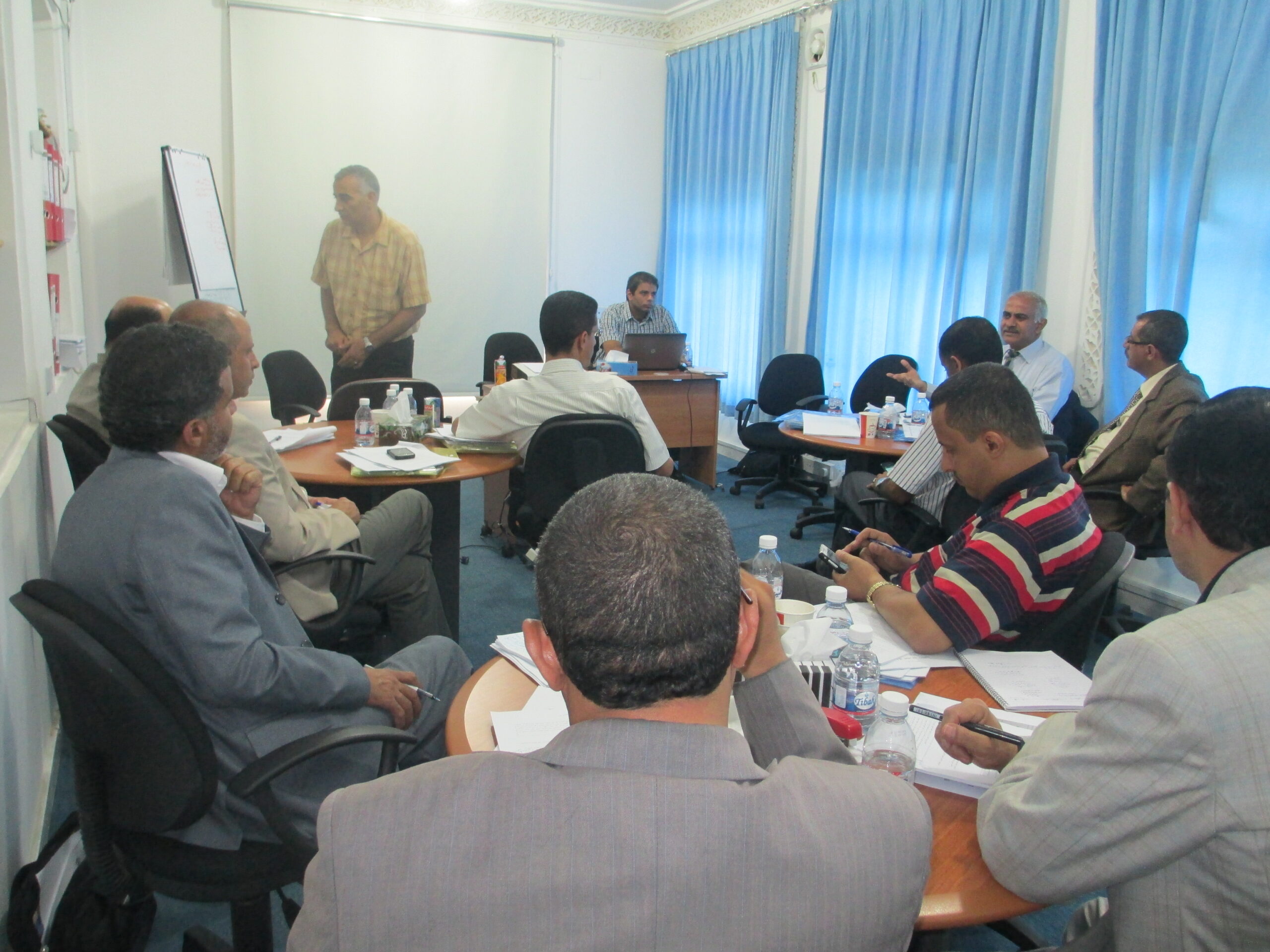
The project aimed to equip Yemeni police trainers with a practical, validated curriculum on children’s rights. The third mission was critical: we needed to finalize and validate the Initial Training Toolkit and deliver a rigorous 12-day Training of Trainers (ToT) to ensure the program could be sustainably implemented by local partners. However, the success of this mission hinged on navigating two significant, and often unpredictable, challenges.
1. Operating in a volatile security Environment
The political and security landscape in Yemen was highly unstable. The conflict was escalating, and the threat level was palpable, with the Houthi movement advancing close to the capital, Sana’a. This reality created a persistent undercurrent of stress and distraction. For participants, many of whom were senior officials and experts, the safety of their families and their ability to travel safely were genuine, daily concerns. This environment risked undermining the focus and deep engagement required to scrutinize complex legal and procedural content.
2. Aligning program aganda with local cultural norms
The security environment in Yemen was increasingly volatile, with escalating conflict and political instability creating a persistent undercurrent of stress for all participants. Many attendees were senior officials and experts who carried the daily burden of concern for their families and personal safety. This reality meant that maintaining sustained concentration over long, intensive training days was a genuine challenge. Compounding this was the need to align our demanding workshop schedule with the established daily rhythms and cultural practices of the region. In a context where traditional afternoon routines were deeply embedded in daily life, the prospect of holding participants’ focus through a standard full-day agenda was unrealistic. Without adapting to these combined pressures, we risked delivering a program that was technically sound but practically ineffective, a curriculum that was approved on paper but never truly absorbed or owned by the very people who would need to teach it.
The Result
This adaptive approach was pivotal to the mission’s success. By respecting cultural norms and security realities, we built trust and credibility with the participants, ensuring their full engagement during the core training hours.
The outcomes were concrete and lasting:
- A Validated Toolkit: The 11 sessions of the Initial Training Toolkit were reviewed, amended, and officially validated by the Steering Committee of public officials and local experts.
- A Prepared Cadre of Trainers: The 12-day ToT was successfully completed. Participants became owners of the curriculum, ready and able to train their peers.
- Institutional Commitment: Critically, the Head of the Police Academy agreed to integrate the validated Initial Training Toolkit into the 3rd-year Police College program, with a target start date of December 2014.
- A Clear Path Forward: We planned the next mission, which would validate the specialized toolkit and continue the process of embedding children’s rights into the very fabric of Yemeni law enforcement training.
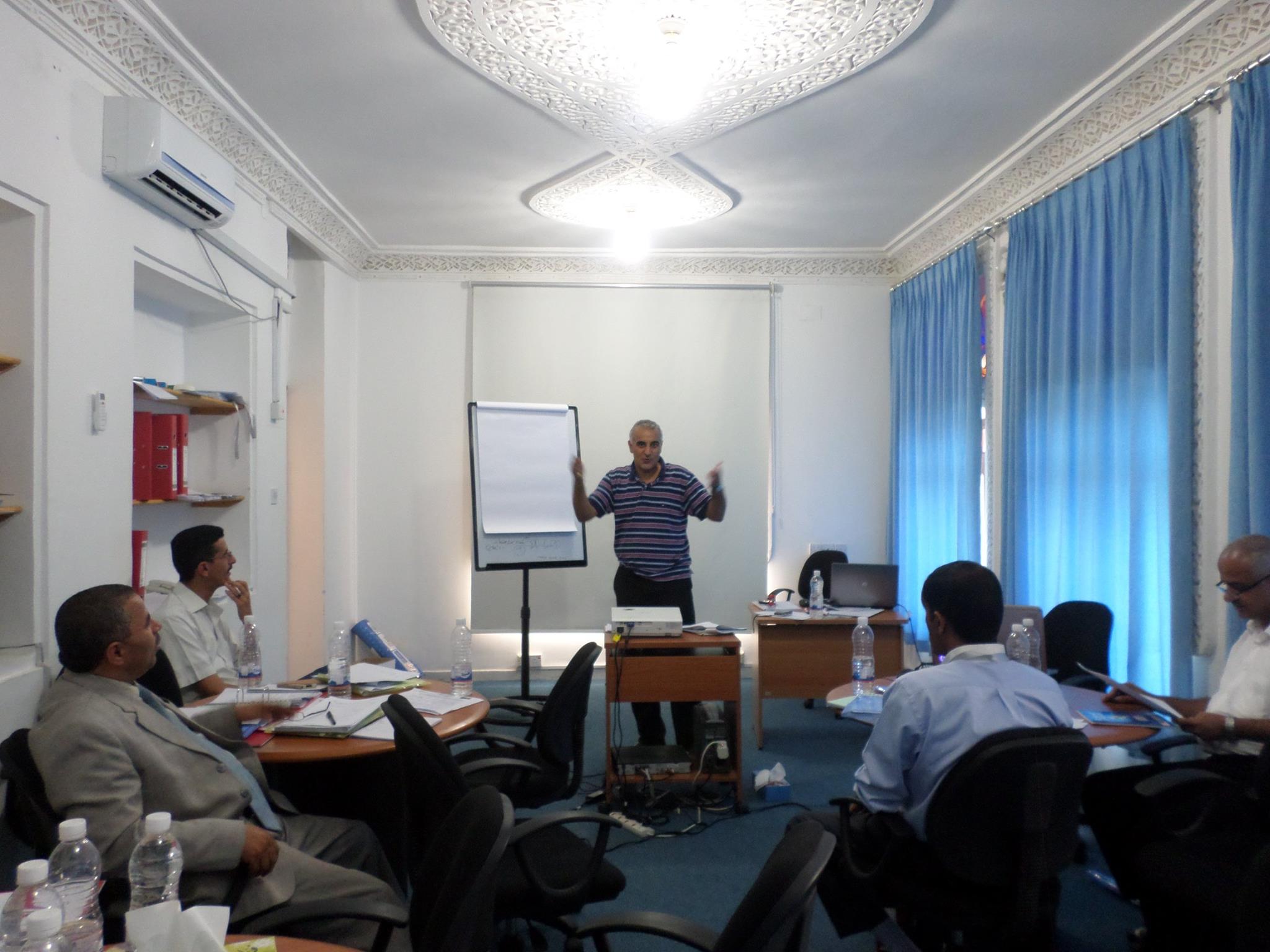
Facilitators observed rather than led, checking that the principles taught that week : how to approach a child witness, how to run an interview without causing harm, while respecting the best interests of the child as the paramount principle.
The Solution
To ensure the mission’s objectives were met, I had to adapt the operational plan to the realities on the ground. The core philosophy was to respect the participants’ time and culture while maintaining the integrity of the training curriculum.
Strategy 1: Rethinking program agenda
Recognising that security anxiety and local custom together would limit engagement after midday, I restructured the training day around a highly intensive, focused morning and early afternoon: full core-content delivery during peak concentration hours, lunch served as a working meal to keep momentum without a long break, and the day closed at 14:00 instead of running into the afternoon. A full day’s worth of high-quality training, delivered in a timeframe that respected what participants actually needed.
Strategy 2: Deepening engagement through practical application
I made the content immediately relevant to participants’ own work: gathering real case studies from their experience with children, identifying gaps the toolkit didn’t yet cover, and “Yemenising” the questions and exercises to match. A field visit to a juvenile detention centre let trainers-in-training apply their new interviewing technique and principles of interaction immediately, turning the learning into lived experience rather than theory.
I didn’t want this training to prove itself on a whiteboard. Midway through the Training of Trainers, I sent participants into two real institutions, a detention wing for children at Sana’a’s central prison, and the city’s Juvenile Care Center to put the week’s interviewing technique and legal-procedure training into practice.
Those visits also gave me something no toolkit could invent: real accounts from children and staff that I worked into the training itself as Yemeni case studies, replacing generic examples with situations trainees would recognise from their own posts.
What this mission changed about my approach
Field visits are where training gets tested. Time in a real detention facility did more to fix technique than another day of workshop ever could.
→ Interviews with SOUL’s own staff were a better capacity-building diagnostic than the original questionnaire, worth repeating on future missions.
→ Real accounts from participants make stronger training material than invented case studies, I now build the pipeline for collecting them in earlier.
→ Institutional buy-in and toolkit quality have to land in the same mission, the Academy agreement only landed because the content was already credible.
→ Planning ahead of each workshop, not just reacting to it, is what let me close five distinct milestones in four weeks.